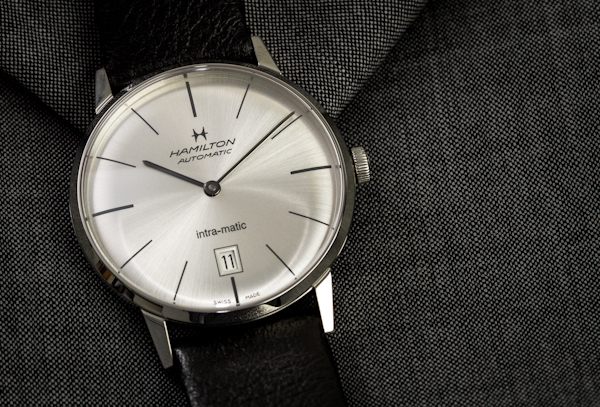
So you’ve finally procured a Hamilton watch! It’s one-of-a-kind timepiece that tells you more than hours, minutes and seconds. The classic, handcrafted watch is made by a company that dates back to 1874, originally known as Adams & Perry Watch Manufacturing Company. Product quality got much better when it became Hamilton Watch Company in 1892. An online watch publication cited that success of watchmaker typically depends on quality rather than number of produces per year.
Today, there are dozens of vintage Hamilton wristwatches traded online from prime collectors and specialists. You can grade the timepiece by its overall condition and genuineness. Assign a percentage or grades such as “AAA” for excellent, “AA” for very good to “B” fair so on. Here are a few steps to help you classify the piece accurately!
Step One
Closely examine the dial with a magnifying glass or jeweller’s loupe (a special magnifier used by jewellers and watchmakers). Even a lightest glow across the dial with neat markings, numbers and hands are a symbol of authentic product and usually classified in good condition. Perfect markings and pristine hue over 80 years old Hamilton watch might be a refurbished version.Step Two
Using the same magnifier, scan for possible cracks and scrapes over the crystal. Mineral glass indicates original product whereas sapphire glass indicates renovation since sapphire crystals weren’t available to 60s and 70s.Step Three
Now, inspect the crown. If it’s signed on a pre-war timepiece, product is counterfeited since Hamilton didn’t sign crowns with an “H” till 1950s. Take a polishing cloth and gently clean the case. Small scratches and blemishes are expected due to everyday wear and tear and that itself is a sign of genuine wristwatch. Revamped piece will be unscratched!Step Five
Classic Hamilton watches boast either a screw of snap back case to pry it open. Lest it’s a snap case, carefully open with a flat blade to examine movement for possible dirt or tampering. Multi-digit serial code, movement number which usually contains alphanumeric would help identify year of manufacture.Step Six
Contact a local appraiser in your area or take the piece to authorised dealers who’ll gladly help you to determine product authenticity. List details over online appraising sites however information can be biased at times. Auction sites like eBay or any other are excellent source when it comes to price or check legitimacy of a product. While you may come across hard-to-find timepieces as well which is a wonderful treat for collectors.Step Seven
It’s always better to leave the product untouched that is in pure shape rather than applying restoration tricks. Genuine pieces, even with a little wear and tear can be sold on profit rather than refurbished version. Nevertheless, if purchasing overhauled wristwatch, remember cogs and other parts aren’t always genuine that eventually degrade product quality and ultimately, cost.Step Eight
After carefully noting the details and condition, it’s finally time to assign a percentage or grade as stated earlier. Opinions from watch experts are;- Above 90 is for excellent, maybe restored, never worn or old stock, no brassing
- From 80 to 89 for normal wear
- 70 to 79 is for usual wear but possible scrapes
- 60 to 69 for dings and heavy brassing
- Below 60 for damaged, missing parts, inoperable however salvaged product.
By following the above steps, you can precisely and easily classify vintage Hamilton wristwatch.

No comments:
Post a Comment